
Reduces winter heat loss
Uninsulated walls allow heat to escape quickly in winter. Batts fitted between studs slow this transfer, keeping living areas warmer and cutting heating costs.
Skye Wall Insulation Specialists
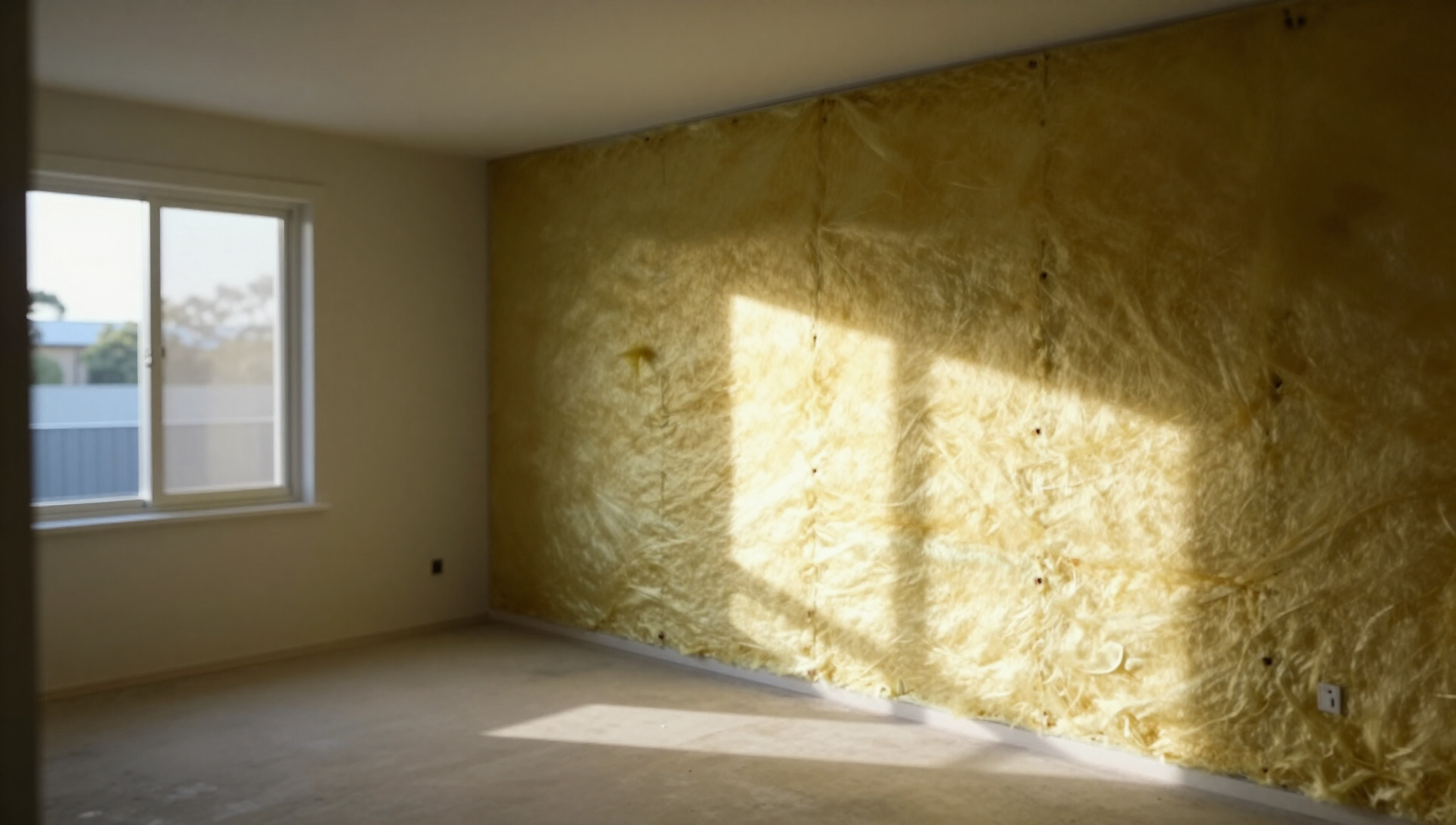
Wall insulation fitted into stud frames during renovations or new builds in Skye. Expert Insulation Melbourne installs glasswool, polyester or rockwool batts to cut winter heat loss and summer heat gain through external walls.
Share your details and Expert Insulation Melbourne will contact you about Wall Insulation in Skye.
Wall insulation is installed between the studs in external walls to slow heat transfer through the frame. In Skye’s climate, this keeps interiors warmer in winter and cooler in summer, reducing reliance on heating and cooling. It is most practical during renovations, extensions or new construction when the wall cavities are open. For existing brick veneer or double brick homes, cavity wall insulation may be an option after an on-site assessment.
Skye’s exposed location means homes face strong winds and temperature swings. Wall insulation addresses the second biggest source of heat loss and gain after the ceiling, improving comfort and lowering energy costs.
Uninsulated walls allow heat to escape quickly in winter. Batts fitted between studs slow this transfer, keeping living areas warmer and cutting heating costs.
External walls absorb radiant heat from the sun. Insulation with the right R-value resists this heat flow, maintaining cooler indoor temperatures during Skye’s hot summers.
Dense acoustic batts in internal walls dampen noise between rooms, ideal for open-plan homes or shared walls in Skye’s newer estates.
Suitable for timber-framed weatherboard, brick veneer and double brick walls. Cavity wall insulation can be retrofitted into some existing brick walls after a suitability check.
Bulk insulation does not settle or degrade over time if installed correctly. It maintains its thermal resistance for the life of the building.
Reducing heat flow through walls lowers the workload on heating and cooling systems, which can extend their lifespan and reduce energy bills.
Wall insulation is fitted between the vertical studs in external walls. The process is straightforward when walls are open during construction or renovation. For existing homes, options depend on wall type and access.
We check the wall type, stud spacing and any existing services like wiring or plumbing. For brick veneer or double brick, we assess if cavity wall insulation is suitable.
Batts are measured to fit snugly between studs without gaps or compression. Glasswool, polyester or rockwool are common choices, with R-values typically between R2.0 and R2.7 for walls.
Batts are friction-fitted between the studs, ensuring full contact with the frame. For acoustic performance in internal walls, denser batts are used.
Once insulation is in place, the wall lining is installed. For retrofits, small holes may be drilled for cavity wall insulation, then patched and sealed.
Skye’s newer estates feature modern timber-framed and brick veneer homes, many with open-plan layouts. Wall insulation is most cost-effective during construction or major renovations when cavities are accessible. For existing homes, cavity wall insulation may be an option if the wall type allows. Nearby suburbs like Cranbourne and Lynbrook share similar housing styles, making wall insulation a practical upgrade for energy efficiency.
Wall insulation fitted between studs in Skye homes to reduce heat loss and gain through external walls.
Common questions about wall insulation in Skye, from suitability and R-values to installation and cost factors.
Wall insulation in Skye targets the second largest area of heat transfer in a home after the ceiling. In Melbourne’s climate, external walls without insulation allow rapid heat loss in winter and heat gain in summer. Installing glasswool, polyester or rockwool batts between studs slows this transfer, improving thermal comfort and reducing energy use. This is especially valuable in Skye, where newer homes often have large wall areas exposed to prevailing winds.
The most practical time to install wall insulation is during new builds, extensions or renovations when wall cavities are open. Batts are cut to fit snugly between studs, with typical R-values for walls ranging from R2.0 to R2.7. For existing brick veneer or double brick homes, cavity wall insulation may be retrofitted through small holes drilled into the mortar, provided the wall is suitable and moisture is not an issue.
Acoustic batts can also be installed in internal walls to reduce noise transfer between rooms, a common need in Skye’s open-plan homes. The cost of wall insulation depends on wall area, chosen R-value, material type and access. For existing homes, an on-site assessment determines the best approach and whether cavity wall insulation is viable.
Improve thermal comfort and energy efficiency in your Skye home with wall insulation. Call Expert Insulation Melbourne on 0399695249 or email info@expertinsulationmelbourne. com. au to discuss your project.